
Introduction
Industrial surfaces face a wide range of conditions, from corrosion and moisture to chemicals, abrasion, heavy use, and changing temperatures. Before applying coatings, protective finishes, or other treatments, the underlying material must be prepared for both the application and the environment in which it will operate. No single preparation method suits every substrate or project, so selecting the right process matters. Working with an experienced specialist such as Surface Prep can help businesses consider factors such as substrate condition, contamination, existing coatings, required surface profile, and future performance requirements. Choosing an appropriate preparation process can support better coating adhesion, consistent finishing, improved durability, and more efficient industrial maintenance.
Why Industrial Surfaces Require Different Approaches
Industrial applications involve many different materials, components, and operating environments. Structural steel exposed to outdoor weather conditions has different requirements from a manufactured component prepared for a controlled finishing process. Similarly, machinery affected by grease and production residues may require a different approach from metalwork covered with corrosion or an ageing protective coating. Surface preparation needs to respond to these differences rather than applying the same process to every project. Understanding the substrate and its current condition is therefore one of the first steps towards selecting an appropriate preparation method.
Assessing the Existing Surface Condition
Before deciding how to prepare a surface, it is important to understand its current condition. A relatively clean new component may require a different level of preparation from an older asset affected by corrosion, contamination, or multiple layers of previous coatings. Inspection can identify what needs to be removed and the condition required before the next treatment begins. Starting with an accurate assessment helps avoid both insufficient preparation and unnecessary processing that may increase project time or cost without improving the final result.
Understanding the Substrate
The material being prepared strongly influences the process you should use. Different metals and other substrates can respond differently to mechanical preparation, abrasive blasting, and cleaning techniques. The objective is to achieve the required surface condition without unnecessarily damaging the underlying material. This makes it important to understand both the substrate’s characteristics and the demands of the subsequent coating or finishing process. Selecting suitable equipment, abrasives, and operating parameters helps businesses achieve controlled, repeatable preparation results.
Removing Corrosion Effectively
Corrosion is one of the most common reasons industrial surfaces require preparation. Rust and other forms of deterioration can weaken a substrate and interfere with the performance of protective coatings. Applying a new finish without appropriately addressing corrosion can leave unstable material underneath the coating and increase the risk of premature deterioration. The right preparation process can remove affected material to the required level and create a more suitable foundation for subsequent protection. This is particularly important for assets operating in environments where continued exposure to moisture or other corrosive conditions is expected.
Dealing With Existing Coatings
Industrial equipment and structures may accumulate several coatings during their service life. Some may remain well adhered, while others may crack, peel, blister, or otherwise become unsuitable for recoating. The preparation process must account for the existing finish and the requirements of the new coating system. In some applications, deteriorated material may need extensive removal, while other projects may require a different level of preparation. Understanding the condition and compatibility of existing coatings helps businesses avoid building a new protective system on an unstable foundation.
Controlling Oils, Grease and Other Contaminants
Industrial surfaces can become contaminated during manufacturing, operation, storage, transportation, or maintenance. Oil, grease, dirt, dust, and production residues can all influence the effectiveness of subsequent coatings. Mechanical preparation alone may not address every type of contamination, so the complete preparation process must consider surface cleanliness as well as visible deterioration. Identifying contaminants before coating helps determine the appropriate cleaning and preparation stages. A controlled approach reduces the risk of unwanted materials remaining between the substrate and the new finish.
Achieving the Required Surface Profile
For many industrial coating applications, the prepared surface’s texture is as important as its cleanliness. Certain coatings require a defined surface profile to establish effective mechanical adhesion. If the profile is too limited, the coating may not bond as intended, while an unsuitable or excessive profile can also create problems. Abrasive selection, equipment, and preparation technique can all influence the resulting surface characteristics. Matching the preparation process to the coating specification helps create a more appropriate foundation for consistent long-term performance.
Selecting Suitable Abrasive Media
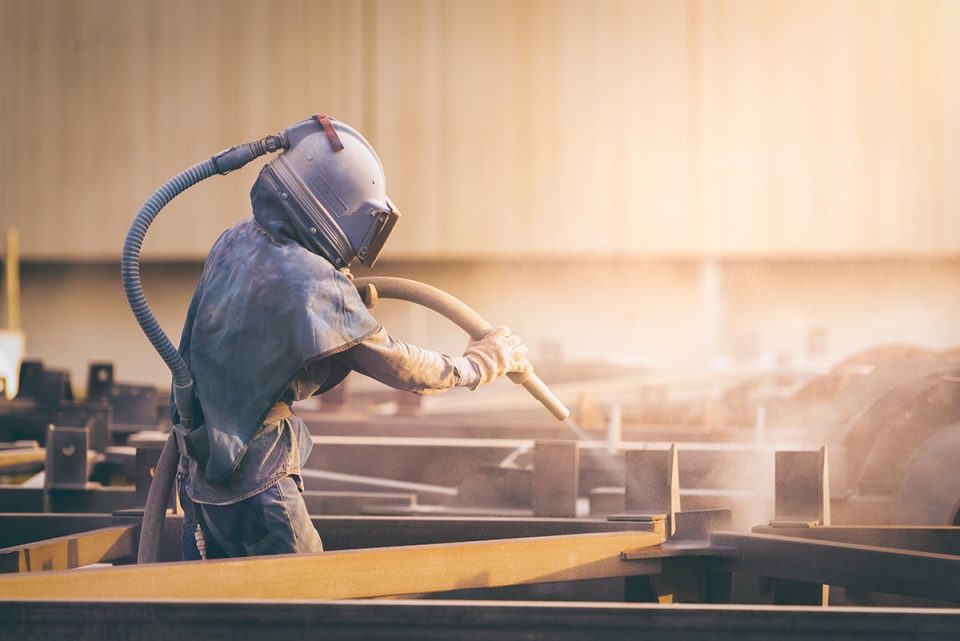
When abrasive blasting is part of the preparation process, selecting the right abrasive media can significantly affect the result. Different abrasives vary in hardness, shape, cutting action, durability, and the type of surface profile they can produce. The best option depends on the substrate, existing surface condition, material to be removed, and required finish. Selecting abrasive media based on the specific application allows greater control over preparation and can improve process efficiency while reducing the risk of achieving an unsuitable surface condition.
Supporting Better Coating Adhesion
The relationship between preparation and coating adhesion is a main reason process selection matters. A coating applied to a poorly prepared surface may initially appear acceptable but can later develop peeling, flaking, blistering, or other defects. These problems may result from contamination, unstable material, corrosion, or an inappropriate surface profile beneath the coating. Choosing a preparation process that addresses these factors gives the new coating a better substrate to bond to and can contribute to more dependable long-term performance.
Improving Consistency in Manufacturing
Manufacturers often need components to meet consistent finishing and quality requirements across repeated production cycles. If preparation varies considerably between components, coating performance and appearance may also become inconsistent. Establishing a defined preparation process helps create a more predictable substrate before finishing begins. Equipment settings, abrasive selection, processing time, and quality checks can all contribute to repeatability. Consistent preparation is therefore an important part of industrial quality control, not simply a preliminary cleaning stage.
Reducing Rework and Production Delays
Incorrect preparation can create problems that only become apparent after applying a coating. If adhesion is poor or the finished surface does not meet requirements, businesses may need to remove the coating and repeat both preparation and application. This adds labour, materials, equipment use, and production time. In manufacturing environments, it may also interrupt wider workflows or delay delivery. Choosing the right preparation process from the start can reduce avoidable rework and support more efficient project completion.
Supporting Industrial Refurbishment
Surface preparation is especially important when refurbishing existing industrial assets. Machinery, steel structures, tanks, fabricated components, and other equipment can develop worn coatings or corrosion while remaining otherwise suitable for continued use. Appropriate preparation can remove deteriorated material and create a suitable foundation for a renewed protective system. This can allow businesses to extend the useful life of existing assets where refurbishment is appropriate, helping them manage equipment more efficiently instead of automatically replacing items because their external finish has deteriorated.
Considering the Future Operating Environment
Preparation decisions should reflect not only the surface’s current condition but also the environment in which the finished asset will operate. Equipment used indoors under controlled conditions may face different challenges from structures exposed to outdoor weather, moisture, chemicals, or demanding industrial processes. The coating system is typically selected with these conditions in mind, and the preparation process should support its requirements. Considering future exposure helps create a complete protection strategy rather than treating surface preparation as an isolated activity.
Protecting Long-Term Asset Performance
Industrial equipment and infrastructure can represent substantial investments, making long-term protection an important business consideration. Surface coatings are often part of a strategy to manage corrosion and environmental deterioration, but these protective systems depend on the substrate beneath them. Selecting the right preparation process supports coating effectiveness and can help maintain asset condition over time. This can help businesses reduce avoidable deterioration while supporting planned maintenance and more predictable asset management.
Balancing Quality and Efficiency
The most aggressive or extensive preparation process is not automatically the best option for every application. Industrial businesses need to achieve the required surface condition while considering efficiency, cost, production requirements, and substrate characteristics. A carefully selected process focuses resources on achieving the condition needed for subsequent treatment without adding unnecessary stages. This balance is particularly important in high-volume manufacturing and large refurbishment projects where small improvements in process efficiency can have a significant overall impact.
Integrating Preparation With the Wider Finishing Process
Plan surface preparation alongside the coating or finishing system rather than treating it as a separate activity. The coating specification may define cleanliness and profile requirements that directly influence preparation decisions. Similarly, delays or improper handling between preparation and coating can affect the final condition. Coordinating these stages helps businesses maintain greater control over the complete process and reduces the possibility of problems developing between preparation and final application.
Creating a Repeatable Preparation Strategy
For organisations that regularly prepare industrial surfaces, a consistent strategy can improve both quality and efficiency. Defined processes can establish how surfaces are assessed, which preparation methods are used, how abrasive media are selected, and how completed surfaces are evaluated before moving to the next stage. This creates greater repeatability and gives operators clearer expectations. Over time, a controlled preparation strategy can improve productivity, reduce variation, and deliver more dependable finishing results.
Frequently Asked Questions (FAQs)
Why is choosing the correct surface preparation method important?
Different substrates, contaminants, coatings, and operating environments require different preparation approaches. The right method creates a surface suited to the intended coating or finishing process.
What factors determine the right preparation process?
Important considerations include substrate material, existing surface condition, corrosion, contamination, old coatings, required surface profile, coating specification, and future operating environment.
Why is surface profile important for industrial coatings?
Some coatings require a specific surface texture to support strong mechanical adhesion. The preparation process needs to achieve a profile appropriate for the selected coating system.
Can the wrong preparation method damage a surface?
An unsuitable process can create an inappropriate surface condition or unnecessarily affect the substrate, so select preparation methods based on the specific application.
Does better surface preparation reduce industrial maintenance?
Effective preparation can support stronger coating adhesion and longer-lasting protection, helping reduce avoidable maintenance from premature coating deterioration.
Conclusion
Choosing the right surface preparation process is essential because industrial applications vary considerably in their materials, existing condition, coating requirements, and operating environments. Effective preparation involves much more than removing visible dirt or rust. Businesses must consider contamination, existing coatings, surface profile, abrasive selection, substrate characteristics, and the requirements of the protective system that follows.
A well-planned preparation process can support coating adhesion, improve consistency, reduce rework, and contribute to more efficient maintenance and refurbishment. By matching preparation methods to the specific demands of each application, industrial organisations can create a stronger foundation for protective finishes while supporting the long-term quality, durability, and performance of valuable assets.